What to Feed a Sick Cat That Won't Eat

A cat parent’s experience caring for sick cats.
I know the fear of staring at a full bowl of cat food and hoping my cat would take just one bite.
I cared for my angel Bella, who battled congestive heart failure, atrial fibrillation, restrictive cardiomyopathy, and kidney disease during her final two years. I've also been there with my big boy, Lewie, who had a dangerously high fever, lethargy, and no appetite caused by an infection and septic joint. Fortunately, he made a full recovery.
If you’re here searching for what to feed a sick cat that won't eat, you're probably scared and unsure what to try next. I'm sharing my experience and what I learned while caring for Bella and Lewie. This is not medical advice, and you should always consult your veterinarian first if your cat is not eating.
Why Sick Cats Often Stop Eating
When cats are sick, appetite loss is extremely common. Nausea, pain, and fever can suddenly make food unappealing.
When my cats were sick, I learned that it was ok to temporarily change their diet. My primary goal was to get them enough calories and hydration, so they could feel better, have strength to heal, and hopefully return to eating like normal.
The Feeding Setup Matters More Than You’d Think
When a cat feels unwell, small details can make a big difference.
What consistently helped my cats:
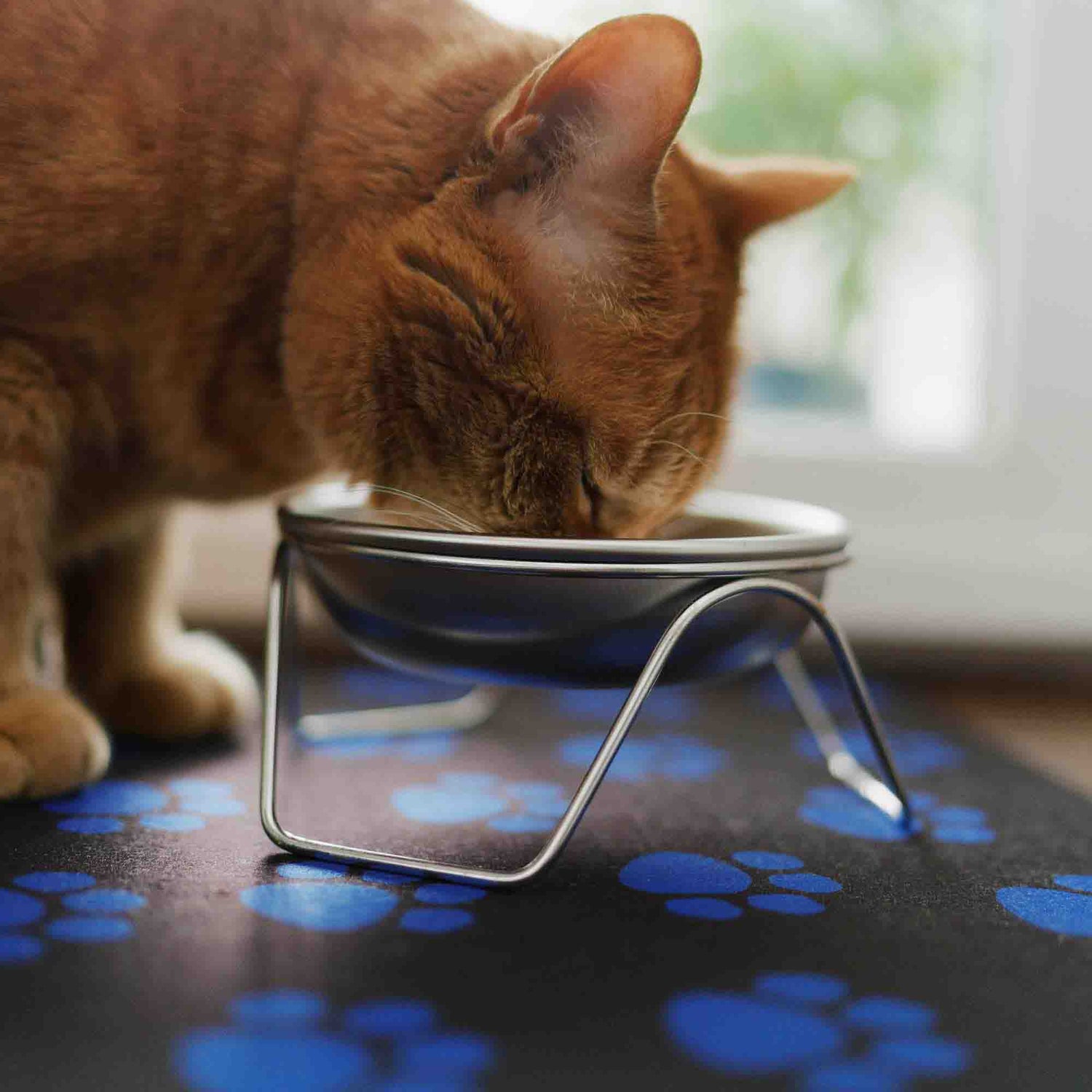
- Using the best cat bowls. I use these stainless steel cat bowls. Stainless steel is more sanitary than plastic and ceramic, which can retain odors and bacteria. These stainless steel cat bowls are made in the USA.
- Raising food and water. I've found that my cats drink more water and eat more comfortably while using raised bowls. These cat bowl stands are built for the bowls I described above.
- Serving food in a clean bowl for every meal. I have extra cat bowls on hand, so I can use a clean bowl during every feeding. I don't want old, leftover food to deter my cats. Also, the stainless steel cat bowls and stands I use are dishwasher safe, so cleanup is quick and easy.

Try Toppers to Boost Smell and Flavor
You already know what food your cats love most, whether that’s dry or wet food, a specific flavor, or a certain brand. Offer their favorite food first. If they’re not interested in eating it plain, I’ve had success sprinkling these options on top of their food (introduce them one at a time):
- Probiotic powder
- Squeeze up cat treats
- Crunchy treats - My cats' favorites!
- No-salt added tuna fish (finely sprinkled)
- Chicken, boiled and shredded
Cats rely heavily on smell, not taste, to decide whether to eat. When a cat is sick, their sense of smell can be dulled. These toppers have a smell that cats like, and therefore, can make the food more enticing.
I keep these items on hand in case my cats become ill, so I don't have to wait for an online delivery or run to the store.
Consider More Appealing Foods
If my cats aren't eating their favorite foods with toppers, I bring out my "secret weapon." My cats will eat kitten food and prescription critical care food when they are sick.
These two types of cat foods have three benefits in common:
- Highly aromatic. These foods are formulated to have a stronger smell to help cats during times of nausea and low appetite.
- Smoother consistency. These foods are softer and also include water for a smoother texture that is easier to eat and swallow.
- Higher fat content, more calories. These foods have more fat to give food a richer, tastier flavor. Cats can also get more calories per bite.
Kitten food is aromatic, easier to eat, and calorie dense to encourage weaning and healthy development. These are some kitten foods that my adult cats love when they aren't feeling well:
Chicken and seafood pate and flaked variety pack
Prescription, critical care food is specifically formulated to appeal to the sickest cats. When you take your cat to the vet to be examined, I encourage you to discuss whether this food could be a good fit.
Even though Lewie and my new kitty, Nelly, are both healthy, I keep a few of these cans on hand just in case sickness hits.
Feed Small, Frequent Meals
When my cats are sick, I let go of their traditional meal schedules.
Instead of offering their typical amount of food, I offer a few spoonfuls at a time. If they finish, I add more. If they don't touch it, I either try a new bowl with a different food or wait a bit.
If your cat walks away, that’s okay. You can try again later.
Warming Food Can Help
Gently warming your cat's food by stirring in a small amount of hot water can amplify the food's smell and entice your sick kitty to eat.
Some Cats Want Company
Both Bella and Lewie liked when I sat with them while they ate. I'd take their bowls to wherever they were hanging out and sit with them. I would sweetly say their names and tell them how much I loved them.
Sometimes Medication is Needed
The medication mirtazapine, which is an appetite stimulant, was a lifesaver for Bella. She took it daily for 2 years. When she returned from the emergency hospital, she was barely eating, and this medication quickly improved her appetite. Lewie also took mirtazapine for about a month. Mirtazapine is available through a transdermal ear ointment or a pill. For me, the pill was much less expensive and was easy to administer along with the other pills they were already taking.
Lewie was also prescribed Cerenia to help ease nausea.
These medications can be incredibly helpful when used appropriately to encourage your cat to eat.
A Final Word From One Cat Parent to Another
I hope these ideas help you. Watching a sick cat refuse food is so hard. I’ve cried over untouched bowls and celebrated a few bites like a victory.
Regaining appetite takes time. And sometimes, despite our greatest efforts, nothing may help.
Trust your veterinarian's guidance and remind yourself that you are doing the very best that you can. Both you and your cat are so lucky to have each other.
If you're reading this while your kitties are healthy, consider keeping the items mentioned above on hand. Preparing now can save precious time and reduce stress if a situation ever becomes urgent.
About Us: Americat Company is where love for cats meets American craftsmanship. Founded in 2016, we are a cat-loving, woman-owned, small business. We make cat products in the USA from safe, durable, U.S. materials. Shop all our made in the USA cat products here.
Learn More
This article includes Amazon affiliate links, which means I may earn a small commission if you purchase.