How to Acclimate a Cat To A New Home
Hi! I'm Diane, a longtime cat mom and a cat product developer who has spent a lot of time learning about cat behavior.
Each of my cats has a different story. Penny and Bella were adopted from shelters while I was living in San Diego. I quite literally found Lewie outside. And last year, I adopted Nelly from a home-based foster program in Pittsburgh.
Each cat arrived with a different level of confidence, history, and personality.
Bringing each of my cats home for the first time was such a memorable and exciting moment in my life. It was also a bit stressful. I found myself wondering if my new cat was happy, healthy, and would bond with me.
Can you relate?
Why Moving Is Stressful for Cats
Cats are territorial animals and even positive changes like going to their forever home can feel overwhelming.
A new home is full of unfamiliar sights, sounds, smells, and routines. Even confident cats can feel overwhelmed during the transition. Some cats may hide, refuse to eat, or avoid interacting for several days.
These behaviors can be very normal at the start!
Cats adjust best when they feel safe, secure, and in control of their environment. Patience matters.
Over the years through my experience with my own cats Penny and Bella and now Lewie, and Nelly, I've learned that successfully welcoming a new cat home comes down to these four things:
- Set up supplies before arrival
- Provide a safe room
- Give time
- Schedule a veterinary appointment
These four elements work together. If even one is missing, cats will struggle during the transition period.
1. Set Up Supplies Before Arrival
A couple of years ago, I attended a Feline Veterinary Medical Association conference. One message was repeated consistently: cats are significantly less likely to develop stress-related health and behavior issues when they feel secure in their environment and have access to sufficient resources.
Before your cat arrives make sure you have at a minimum:
-
- Food bowl (and food)
- Water bowl
- Litter box
- Scratching pad
- Comfortable bed
- Hiding place
- Toys
Food and Water Bowls Matter More Than You Think
Cats use food and water bowls multiple times each day, every day, for their entire lives.
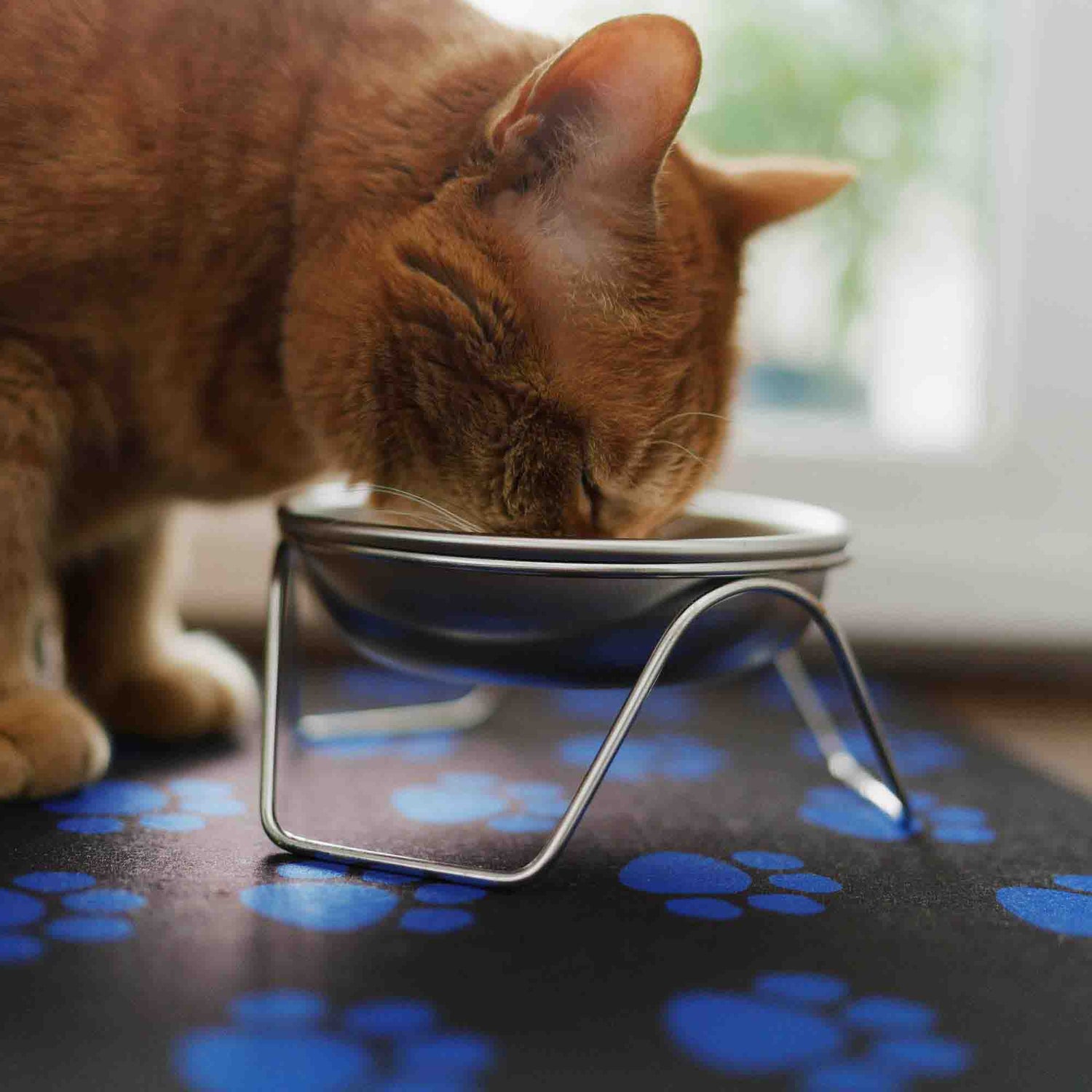
Cats should use stainless steel bowls only! Plastic and ceramic bowls can develop cracks where bacteria from leftover food and saliva can hide. Stainless steel can be fully sanitized and will last a lifetime thanks to its durability.
Don't choose just any stainless steel bowl. Make sure to choose one designed for cats and that prevents whisker fatigue. Also choose a bowl that is made in the USA.
These cat bowls by Americat Company are stainless steel, whisker friendly, and made in the USA.

Litter Box Placement Is Very Important
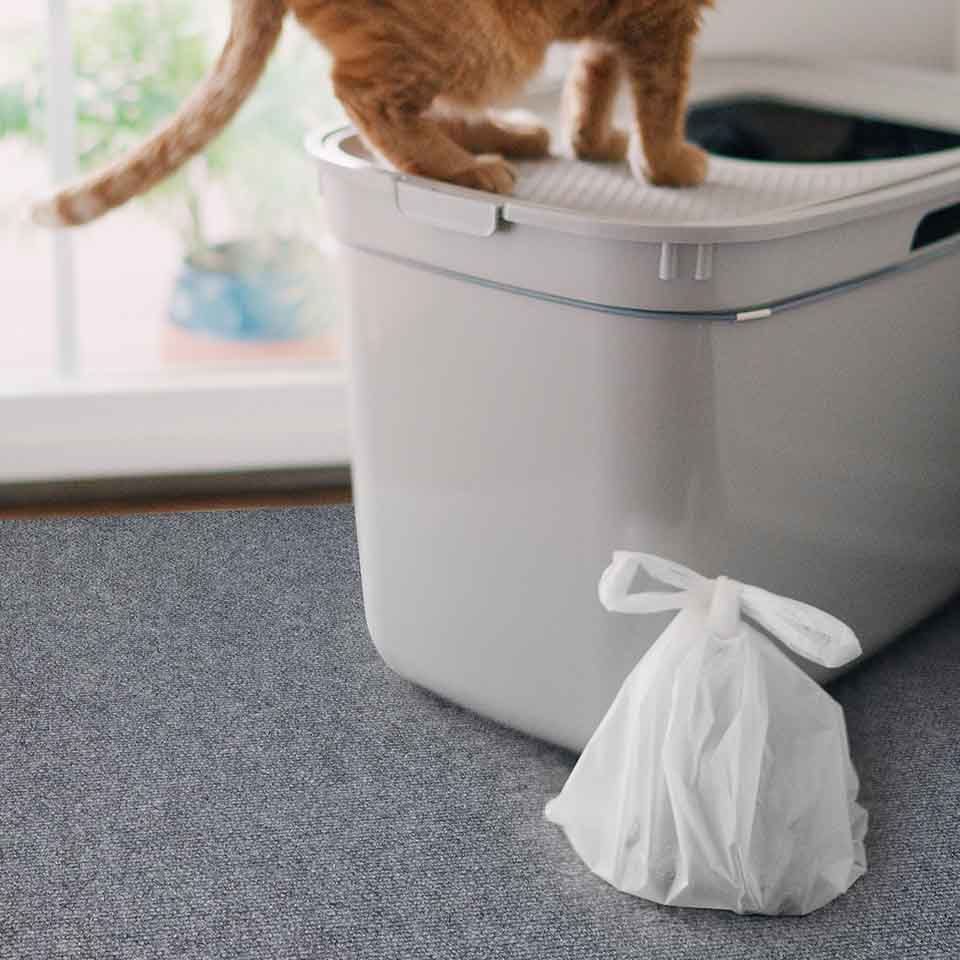
Give your cats a litter box that is easy to enter and that contains unscented litter. Cats have a natural instinct to cover their waste, so that predators don't smell them. Your cat wants to use the litter box, so just make sure it is easy to access and clean!
If you are unsure about where to place a litter box, the safest place is: quiet, where your cat likes to hang out, and away from feeding areas.
Learn more in this article: Where to Put the Litter Box
Scratching Is Not Optional
Scratching is a biological need. Cats scratch to mark territory, stretch muscles, maintain claw health, and regulate emotion.
When cats don’t have appropriate scratching outlets, furniture becomes the substitute.
Teaching a cat early on that their scratcher is theirs and the perfect place to scratch will set them up for the rest of their lives!
Americat Company cat scratchers are made from only 2 materials: cardboard and a non-toxic glue FDA approved for food contact. There are no added chemicals. Cats are drawn to these scratchers' natural tree-like scent and textures for scratching.
They may even take a nap on top!

Safe Hiding Places Are Essential
Cats feel safest when they have a place to retreat.
A covered bed or cat house gives cats a place to rest while also being able to see their environment.
I’ve found that a cat scratcher house is very effective because it serves two purposes: security and enrichment. Cats naturally gravitate toward them because they feel protected but not trapped thanks to multiple lookouts and exits.

Play Helps Bond
Cats have a natural instinct to hunt, or shall we say play.
Give your new cat a variety of toys to see what he or she likes.
Make sure to avoid any toys parts that can be broken off and eaten. I prefer toys with simple shapes like this heart cat toy.

Important Reminder: It may be tempting to give your new kitten or cat some supplies that your other cat used. Avoid this if you can!
Your new cat will smell your other cat's scent and could get scared. Instead, treat your new cat to new supplies so that the new products will pick up the scent of your new cat and increase confidence.
Each of these supplies we recommend plays a role in reducing uncertainty and increasing safety. Cats should never have to wonder where to eat, drink, sleep, or go to the bathroom.
2. Provide a Safe Room
One of the most common mistakes new cat parents make is giving a cat access to the entire house right away. While this seems generous, it can actually be overwhelming to both kittens and adults. Imagine how large a house or apartment would feel to a 2-15 pound animal.
According to the Feline Veterinary Medical Association, cats adjust more successfully when they are introduced to a small, controlled environment first. This reduces stress and provides easy access to essential resources. Think of this room as your cat's home base. It gives them a predictable environment where they can learn that they are safe.
An enclosed space has a number of advantages:
- Gives your cat a safe space to acclimate to their new "territory"
- Know where your cat is and that he or she is safe
- Monitor whether your cat is eating and using the litter box
- Begin to bond with your cat
- Quarantine your cat from other animals in the house in case your new addition is sick
3. Give Time
Don't rush the process. It is totally normal for your cat to hide, not want to play, and not want to eat or drink at first.
Cats acclimate at different speeds. Some cats confidently explore within a few hours. Other cats may need several weeks before they fully relax.
Instead of forcing interaction, sit quietly nearby, read or work in the room, offer treats and toys, and allow your cat to approach first.
A helpful guideline is the "3-3-3 Rule":
First 3 Days
Your cat may feel overwhelmed and frightened. You may notice:
- Hiding
- Reduced appetite
- Excessive sleeping
- Limited interaction
This is normal.
First 3 Weeks
Your cat begins learning routines and recognizing familiar people. You may start seeing more personality emerge.
I personally have kept my cats in their safe room for about a month.
First 3 Months
Many cats begin feeling fully comfortable and secure. Trust grows, routines become familiar, and your cat starts viewing your house as home.
As confidence builds and your cat begins to show interest in exploring what is outside of the safe room, gradually expand their territory and allow them to explore additional areas of your home while you supervise.
During the first 3 months, I would take my cat back to the safe room if I left the house for a long period of time. I knew she was safe there while I was not able to supervise her.
4. Schedule a Veterinary Appointment
One of the most important steps after bringing home a new cat is scheduling a veterinary appointment.
Even if your cat appears healthy, a wellness exam is a must.
Rescued cats have unknown medical history. Also, rescues have limited funds and although they screen for the most common ailments, a veterinary exam is most comprehensive.
Your veterinarian may:
- Complete a physical exam
- Review vaccination history
- Discuss nutrition
-
Test a fecal sample for parasites
- Confirm that your cat has been spayed/ neutered and microchipped
Bella, Lewie, and Nelly, although adopted years apart and from different places, each had the parasite giardia when I first brought them home. They weren't acting sick and appeared normal, but a fecal test revealed that they were infected, and they each needed medication.
After our first visit, I took each cat back to complete their vaccine series.
Frequently Asked Questions About How to Acclimate a Cat to a New Home
How long does it take a cat to acclimate to a new home?
Most cats begin settling in within a few weeks, but full adjustment may take several months. Many cat behaviorists use the "3-3-3 Rule": three days to decompress, three weeks to learn routines, and three months to feel fully at home.
Is it normal for a new cat to hide?
Yes. Hiding is one of the most common behaviors during the adjustment period. Cats hide because they feel vulnerable in unfamiliar environments. Provide safe hiding spaces and allow your cat to emerge on their own schedule.
Should I let my new cat roam the entire house?
Not immediately. Most veterinarians and behaviorists recommend starting with a safe room. Once your cat is eating, using the litter box, and showing confidence in that space, you can gradually expand access to other areas of the home.
Why isn't my new cat eating?
Stress can temporarily reduce appetite. Many cats eat less during the first day or two after moving. However, if your cat refuses food for more than 24 to 48 hours or shows other signs of illness, contact your veterinarian.
When should I take a new cat to the vet?
Ideally, schedule a wellness exam within the first week of bringing your cat home. This allows your veterinarian to review vaccinations, check for parasites, assess overall health, and answer any questions about your cat's transition.
What supplies does a new cat need?
At minimum, every cat should have:
- Food bowl (and food)
- Water bowl
- Litter box
- Scratching pad
- Comfortable bed
- Hiding place
- Toys
In multi-cat homes, behavior experts recommend one of each resource per cat, plus one extra.
A Final Thought
Cats do not adjust on human timelines. They adjust on their own timelines. And trust cannot be rushed.
One of the most rewarding parts of living with cats is watching them transition from uncertain to confident as they become comfortable in their new home and bond with their new humans.
About Us: Americat Company is where love for cats meets American craftsmanship. Founded in 2016, we are a cat-loving, woman-owned, small business. We make cat products in the USA from safe, durable, U.S. materials. Shop all our made in the USA cat products here.